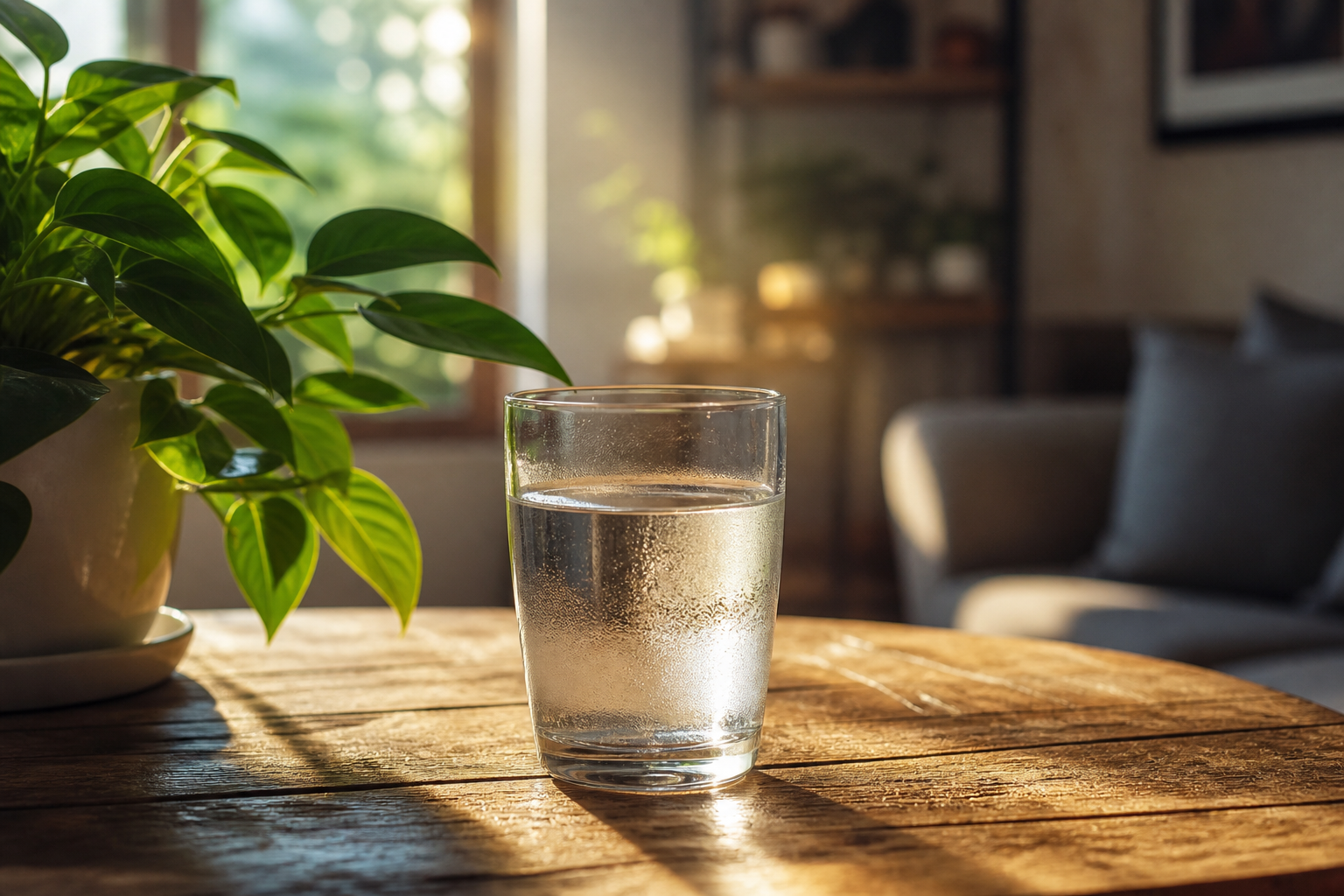
That familiar afternoon slump often arrives like clockwork. Around two or three in the afternoon, focus begins to drift, physical stamina dips, and a sudden craving for a sugary snack or a cup of coffee takes hold. While many adults attribute this daily exhaustion to normal aging or a poor night of rest, the actual culprit is often far simpler: mild, cumulative dehydration. Integrating strategic hydration timing for energy into your daily routine offers a practical, drug-free way to maintain mental clarity and physical vitality throughout the day.
Water is the fundamental spark for almost every biological process in the body. It helps transport nutrients, lubricates joints, cushions vital organs, and regulates temperature. When total body water drops by even a tiny percentage, the cardiovascular system must work significantly harder to pump oxygen-rich blood to muscles and the brain. For mature adults, recognizing this connection is the first step toward reclaiming steady, reliable energy from sunrise to sunset. Let us explore how simple shifts in when you drink can yield profound benefits for your daily stamina and long-term health.
Why Hydration Timing for Energy Matters After Forty
As our bodies mature, several physiological changes shift how we handle fluids. First, the natural sensation of thirst begins to decline. In our thirties, forties, and beyond, the brain's internal thirst signals become less sensitive. This means you might be physically running low on fluids long before your throat feels dry. Relying solely on thirst as a guide often leads to a state of chronic, low-grade dehydration that drains your daily stamina. By focusing on hydration timing for energy, you establish a proactive schedule that supports your body before deficit signals are triggered.
Second, cellular water distribution changes. Muscle tissue holds a significant amount of water, while fat tissue holds very little. With the natural loss of lean muscle mass that occurs over time, the body's natural water reservoir shrinks. This reduction means there is less margin for error. A minor shortfall in fluid intake can quickly manifest as muscle tightness, joint stiffness, and cognitive fog. Proper timing ensures your tissues receive a steady, predictable supply of moisture before the body is forced to ration its resources.
Finally, joint comfort is closely tied to fluid habits. Synovial fluid, the natural lubricant that keeps joints moving smoothly, relies heavily on consistent hydration. When fluids run low, joints can feel stiff and creaky, making movement feel like a chore. This physical discomfort feeds into a cycle of inactivity, which further drains daily vitality. Proper hydration timing keeps this natural lubrication active, allowing for comfortable, fluid movement all day long. This is especially important for maintaining the flexibility and strength needed for active aging.
Establishing a Proactive Fluid Schedule
Understanding the body's natural rhythm allows us to build a simple, effective hydration schedule. Rather than trying to catch up by gulping large volumes of water at the end of the day, a distributed approach keeps your system balanced. Here are three daily habits designed to optimize your energy levels through strategic timing.
The First Light Hydration Habit
The first critical window for hydration timing for energy occurs immediately upon waking. During seven to eight hours of sleep, the body naturally loses a significant amount of moisture through breathing and perspiration. Waking up in a mild state of dehydration is entirely normal, but leaving it unaddressed can set a sluggish tone for the entire morning. When you wake up, your blood volume is slightly lower, which can lead to feelings of grogginess and morning stiffness.
Drinking ten to twelve ounces of lukewarm water within twenty minutes of waking up is one of the simplest ways to revitalize your system. Cold water can sometimes shock an empty stomach, whereas room-temperature or lukewarm water is absorbed quickly and gently. This early morning habit helps rehydrate cells, jumpstarts metabolic function, and encourages healthy digestion. Think of it as gently rinsing your internal systems and signaling to your body that it is time to wake up and perform. It is a peaceful, refreshing way to start your day with intention.
The Pre-Meal Hydration Window
Another strategic habit involves timing fluids around meals. A common mistake is drinking large amounts of ice-cold water while eating. Gulping cold liquids during a meal can dilute stomach acid and digestive enzymes, potentially leading to bloating, discomfort, and less efficient nutrient absorption. Since our bodies require nutrients to produce cellular energy, supporting efficient digestion is essential.
Instead, try drinking a full glass of water approximately thirty minutes before your meal. This pre-meal buffer prepares the digestive tract by supporting the natural production of digestive fluids. It also provides the hydration needed for your stomach lining to protect itself. When it is time to eat, limit your fluid intake to small, room-temperature sips if necessary. This shift in hydration timing for energy ensures your body absorbs nutrients optimally, turning your meals into clean, usable fuel rather than heavy digestion burdens.
The Mid-Afternoon Reset
The mid-afternoon slump is often the moment when people make choices that disrupt their sleep later that night. Reaching for a sugary soda, an energy drink, or a late-afternoon cup of coffee might offer a temporary burst of alertness, but it often leads to a sharp blood sugar crash and a restless night. This cycle leaves you feeling even more exhausted the following day.
When you feel that familiar wave of fatigue around three o'clock, try a simple experiment. Step away from your tasks, pour a tall glass of water, and drink it slowly over the course of five minutes. Combine this fluid reset with a few gentle shoulder rolls or a brief walk around the room. In many cases, this simple physical pause and hydration boost will clear the mental fog and restore physical stamina within ten to fifteen minutes, without any of the jittery side effects of caffeine. It is a natural way to support your concentration when you need it most.
A Real-Life Shift in Daily Habits
Consider the experience of Arthur, a sixty-two-year-old retired school administrator who found himself struggling with persistent fatigue and stiff knees every afternoon. Believing it was just a natural part of growing older, Arthur accepted the slow decline in his daily stamina and started taking long afternoon naps that disrupted his nighttime sleep. This left him feeling restless at night and groggy during the day.
After learning about the concept of hydration timing for energy, Arthur decided to make a small, systematic change. He placed a glass of water on his nightstand each evening, drinking it immediately upon waking. He also committed to a full glass of water thirty minutes before lunch and replaced his afternoon cup of black tea with a large glass of filtered room-temperature water. Within two weeks, Arthur noticed a remarkable shift. His afternoon knee stiffness lessened, his head felt clearer during his daily walks, and his sleep quality improved because he no longer needed late-day caffeine or long naps. His experience highlights how simple, timed adjustments can yield substantial benefits for daily wellness without drastic lifestyle overhauls.
Gentle Cautions and Individual Needs
While establishing a consistent hydration routine is generally beneficial, individual physical needs vary, and some caution is warranted. For those managing certain cardiovascular conditions, such as congestive heart failure, or kidney challenges, fluid intake must be carefully regulated. In these cases, excess fluids can put undue strain on the heart and kidneys. It is always essential to work closely with your medical provider to determine the exact fluid volume that is safe for your body and aligns with your treatment plan.
Additionally, while daytime hydration is vital, it is wise to taper fluid intake as evening approaches. Drinking large volumes of water within two hours of bedtime can lead to frequent nighttime trips to the bathroom. This disrupted sleep defeats the purpose of your daytime energy habits. Focus the majority of your fluid intake during the morning and afternoon hours, allowing your body to rest undisturbed through the night. A quiet, uninterrupted night of sleep is one of the greatest foundations for physical restoration.
Your Daily Takeaway
To begin experiencing the benefits of hydration timing for energy today, focus on one small, manageable change. Tonight, place a clean glass of water on your nightstand or next to your morning coffee maker. Tomorrow morning, before reaching for coffee or breakfast, drink that glass of water completely. This single, simple action establishes a positive momentum for the day, keeping your body lubricated, your mind alert, and your physical stamina steady. Small steps, taken consistently, pave the way for a vibrant and active life.
If you want to know more about [The Morning Plate Pivot: How Rethinking Your First Meal Supports Steady Energy After 50], check out this article.
References
- National Institute on Aging – Healthy Aging and Hydration
- Centers for Disease Control and Prevention – Water and Healthier Drinks
- Harvard Health Publishing – The Importance of Everyday Hydration
- Mayo Clinic – Nutrition and Healthy Eating Guidelines
This blog content is for informational purposes only. For accurate guidance about your personal health, please consult a qualified healthcare professional.
Comments
Post a Comment