Finding Stability from the Ground Up
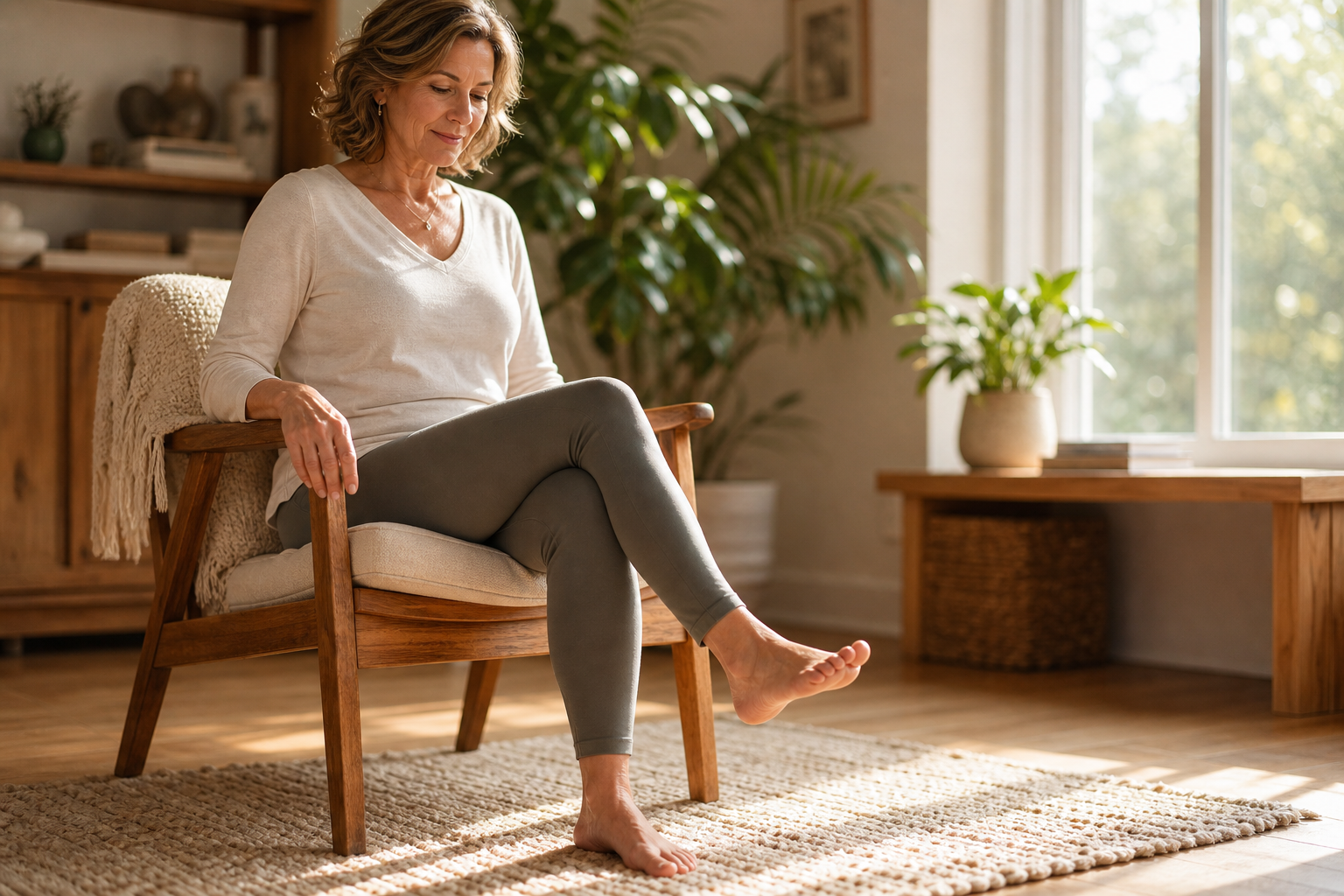
When we discuss physical fitness and staying active, our conversations naturally turn to familiar areas. We talk about keeping our hearts strong through regular walking, maintaining muscle mass with gentle resistance training, and preserving joint flexibility with morning stretches. Yet, there is a fundamental part of our physical foundation that is frequently left out of the conversation: our feet. The human foot is a complex, delicate piece of biological architecture. It is built from twenty-six distinct bones, thirty-three intricate joints, and a rich network of over one hundred muscles, tendons, and ligaments. Every step we take relies on this intricate system to absorb impact, support our body weight, and propel us forward. Developing daily foot habits for balance is a gentle, practical, and highly effective way to maintain a confident, steady stride as the years pass.
Ignoring our feet can have a quiet but significant ripple effect throughout the entire body. When the muscles of our feet become stiff or weak, our body is forced to compensate. This compensation often places extra stress on our ankles, knees, hips, and lower back, leading to unexplained stiffness or discomfort. By shifting our attention downward and adopting supportive foot habits for balance, we can address the root cause of many common posture and movement challenges. Caring for our feet is not just about comfort; it is about protecting our independence, enhancing our mobility, and staying connected to the activities we love most.
Why Foot Habits for Balance Matter
With the passage of time, the structural characteristics of our feet go through natural changes. The protective fatty padding on the soles of our feet tends to become thinner, which can make walking on hard surfaces feel less cushioned. Additionally, our tendons and ligaments can lose some of their natural elasticity, leading to a flatter arch or a slightly wider foot shape. These changes are a normal part of the human journey, but they can subtly alter how we distribute our weight and maintain our stability. This is why introducing specific foot habits for balance becomes increasingly beneficial as we navigate our fifties, sixties, and beyond.
Beyond structural changes, we must also consider the sensory role our feet play. The soles of our feet are packed with thousands of tiny sensory nerve endings known as proprioceptors. These receptors act as a sophisticated feedback system, sending constant, rapid-fire messages to our brain about the ground beneath us. They detect subtle changes in texture, slope, and hardness, allowing our brain to make micro-adjustments to our posture and muscle engagement in real time. However, when we spend decades wearing stiff, highly cushioned shoes with narrow toe boxes, we effectively place these sensory receptors in a sensory-deprivation environment. The brain receives muffled, delayed signals, which can make us feel slightly less steady or connected to our surroundings. By consciously waking up these nerve pathways through targeted movement and barefoot stimulation, we can restore the natural conversation between our feet and our brain, building a more resilient sense of balance.
The Hidden Foundation of Stride Stability
To fully appreciate the value of our feet, it helps to view them as the dynamic shock absorbers of our body. Every time our heel strikes the ground, a wave of force travels upward through our leg. Healthy, active feet absorb this force by spreading out and flexing. This function relies heavily on the small, internal muscles of the foot, known as intrinsic muscles. When these muscles are strong and flexible, they maintain the height of our arches and keep our feet aligned. When they are weak, our arches may flatten excessively, causing our ankles to roll inward. This inward roll, known as overpronation, can throw off the alignment of the entire leg, making our movements feel less efficient and more tiring. Strengthening these internal muscles through simple daily practices ensures that our feet remain a springy, responsive, and steady foundation.
Easy Foot Habits for Balance You Can Try at Home
Improving the strength and sensory awareness of your feet does not require special gym memberships or expensive equipment. In fact, some of the most effective habits can be practiced in the comfort of your living room or kitchen. The key is consistency; dedicating just five to ten minutes a day to these gentle movements can create noticeable improvements in how steady you feel. Here are four practical habits designed to restore the strength, flexibility, and responsiveness of your feet.
The Towel Curl for Arch Strength
This classic exercise is highly regarded by physical therapists for its ability to target the intrinsic muscles under the arch of the foot. To practice this habit, find a comfortable, supportive chair and sit with your feet flat on the floor. Place a small, lightweight hand towel flat on the ground in front of you. Place the front half of your bare foot on the edge of the towel. Using only your toes, begin pulling the fabric of the towel toward your heel, scrunching it up under your foot. Try to complete the action three or four times, then smooth the towel out and repeat the process with your other foot. This exercise stimulates the deep arches, helping to maintain their natural height and shock-absorbing capacity.
The Mindful Toe Splay and Lift
Many modern shoes are designed with narrow toe boxes that squeeze our toes together, which can limit our natural base of support. The toe splay is an excellent way to restore the wide, stable foundation your feet are meant to have. Sit with your feet flat on the floor. Focus on spreading your toes as wide apart as possible, creating clear space between each toe. Hold this wide position for five seconds, then release. Next, try to lift only your big toe off the floor while keeping the other four toes pressed gently down. Hold for a few seconds, then switch: press your big toe down and lift the remaining four toes. This simple neuromuscular challenge helps rebuild the neural pathways between your brain and your toes, enhancing your ability to grip the ground and stabilize your weight.
The Soft Golf Ball Roll
Our feet carry a great deal of tension, and the thick band of tissue running along the bottom of the foot, known as the plantar fascia, can become stiff and tight. To ease this tension and stimulate the sensory nerves, keep a golf ball or a small, firm massage ball near your favorite chair. Sit comfortably, place the ball under the sole of your foot, and gently roll it back and forth from the base of your toes to your heel. Apply a gentle, comfortable amount of pressure. Spend about two minutes on each foot. This habit acts as a gentle massage, improving blood circulation, softening tight tissues, and waking up the sensory receptors on the bottom of your feet.
Sensory Grounding Time
One of the easiest ways to awaken your feet is to spend a few minutes walking barefoot on safe, varied surfaces within your home. Try to spend five minutes each day stepping mindfully across different textures, such as cool kitchen tiles, a soft living room rug, or a firm wooden floor. Pay close attention to how each surface feels under your soles. If walking completely barefoot is uncomfortable or if you have sensitive feet, wearing thin, flexible socks can still allow you to experience the different densities of the floors while providing a layer of protection. This practice helps retrain your brain to read and interpret sensory input from the ground, promoting a steadier, more adaptable stride.
A Real-Life Example: Sarah's Tea-Time Routine
We often think we need to block out large windows of time to practice healthy habits, but the most sustainable practices are those that fit seamlessly into our existing lives. Consider Sarah, a fifty-eight-year-old former teacher who noticed she felt slightly hesitant when walking on the loose gravel paths of her local park. Instead of trying to find an extra thirty minutes in her day, she decided to pair her foot exercises with her morning tea-making routine. While waiting for the kettle to boil, Sarah stood barefoot on her kitchen rug and practiced spreading her toes. While her tea steeped, she sat down and did two rounds of towel curls using a kitchen towel. This simple routine took less than five minutes, yet practicing it consistently made a profound difference. Within a month, Sarah noticed her ankles felt more supportive, her feet felt more grounded, and she regained her confidence on her favorite outdoor walking trails.
Safe Practice and Gentle Cautions
As you begin to incorporate these foot habits for balance into your daily life, it is essential to prioritize safety and listen to your body. Building strength and flexibility is a gradual process, and rushing can lead to unnecessary strain. Always perform these movements while seated or while holding onto a sturdy piece of furniture, such as a heavy kitchen counter or the back of a stable chair, to prevent any loss of balance. If you experience any cramping in your arches, stop the movement, gently massage the foot, and allow it to relax before continuing.
There are also situations where extra caution is necessary. If you have been diagnosed with conditions that affect sensation in your feet, such as peripheral neuropathy or diabetes, or if you have severe balance concerns, always speak with your healthcare provider before starting any new foot-strengthening routine. Additionally, when choosing daily footwear, look for shoes that offer a spacious toe box, allowing your toes to spread naturally, along with a flat, flexible sole that permits your foot to move and flex as nature intended. Transitioning to more flexible footwear should be done very gradually to give your muscles and tendons plenty of time to adapt.
A Steady Step Forward
Our feet are our constant connection to the earth, supporting us through every step, turn, and climb. Giving them a small amount of care and attention each day is a powerful investment in your long-term mobility and confidence. By waking up the sensory pathways in your soles and gently building strength in your foot muscles, you can enjoy a steadier, more comfortable stride. Start with just one of these simple habits today, and discover how a stronger foundation can help you move through the world with ease and stability.
References
- National Institute on Aging – Balance Exercises for Older Adults
- Harvard Health Publishing – Simple Exercises to Improve Balance
- Mayo Clinic – Foot Health and Balance Guide
This blog content is for informational purposes only. For accurate guidance about your personal health, please consult a qualified healthcare professional.
Comments
Post a Comment